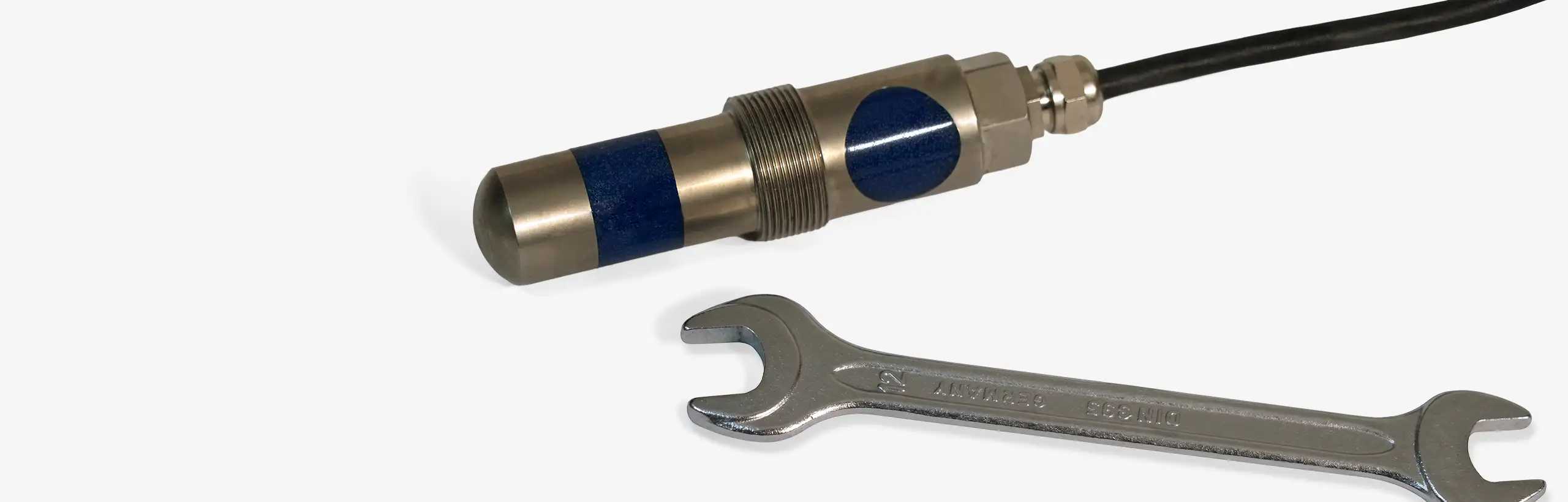
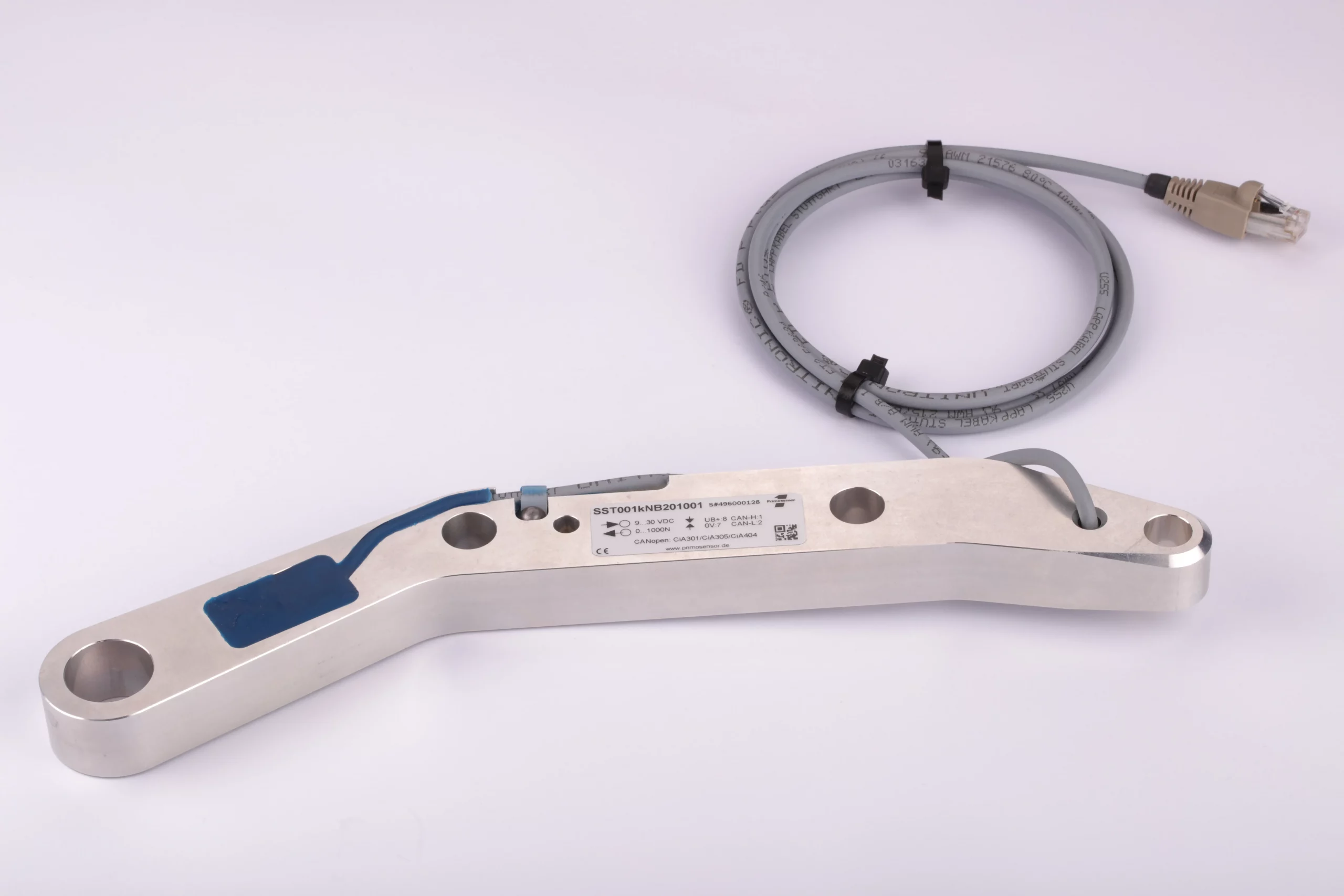
Turning a component into a force sensor offers a wide range of compelling advantages. For one thing, it eliminates the need for separate mounting spaces for external sensors, which not only saves space but also eliminates the need for costly and complex designs—the component itself performs the measurement function. Furthermore, the sensor can be integrated directly into the design, allowing loads to be measured immediately and in real time—without any additional interfaces or transducers. Installation effort is also significantly reduced: The installation and wiring of external sensors are simplified or eliminated entirely, which ultimately also significantly reduces maintenance requirements.
Not every component is readily suitable for conversion into a force sensor—various technical requirements play a decisive role in this regard. Properties such as material, material thickness, elasticity, and geometric shape significantly influence whether and how a sensor can be integrated. Often, specific modifications to the component are required to ensure reliable measurement. For example, it may be necessary to selectively thin out or redesign material-intensive areas so that the desired deformation can occur under load. Surfaces may also need to be machined to achieve optimal force transmission to the sensor. Equally crucial is the precise positioning and force-fit connection of the sensor—such as a strain gauge or press-fit sensor—to the component. Only once these mechanical requirements are met does calibration take place: During this process, the zero point is determined both in the unloaded state and under a defined load. This ensures that the component will later deliver reliable and reproducible measurement values across its entire operating range.
The range of potential applications for such integrated sensor solutions is broad:
• Mechanical Engineering / Automation: Screws, bolts, or load-bearing components perform measurement functions.
• Automotive Industry: Chassis components or structural parts act as sensors to monitor loads during operation.
• Aerospace: Wings, housings, or fasteners become real-time measurement points.
• Medical Technology: Sensors integrated into implants or prostheses help monitor loads and provide feedback.
• Bridges, Buildings, Infrastructure: Structural frameworks or bridge components become sensors that continuously measure structural loads.
• Robotics & Manufacturing Technology: Gripper arms or tool holders measure forces directly—without external sensors.
Transforming a component into a force sensor is more than just a technical trick—it is the key to the smart joining and force measurement technology of tomorrow. This method reduces costs, saves space, and significantly improves response times in applications. Those who focus on automation, miniaturization, and integrated sensor solutions today will benefit from such technologies in the future—and the potential remains largely untapped.