Development of Custom Measurement Technology for Your Application
Inventive. Customer-driven. Flexible.
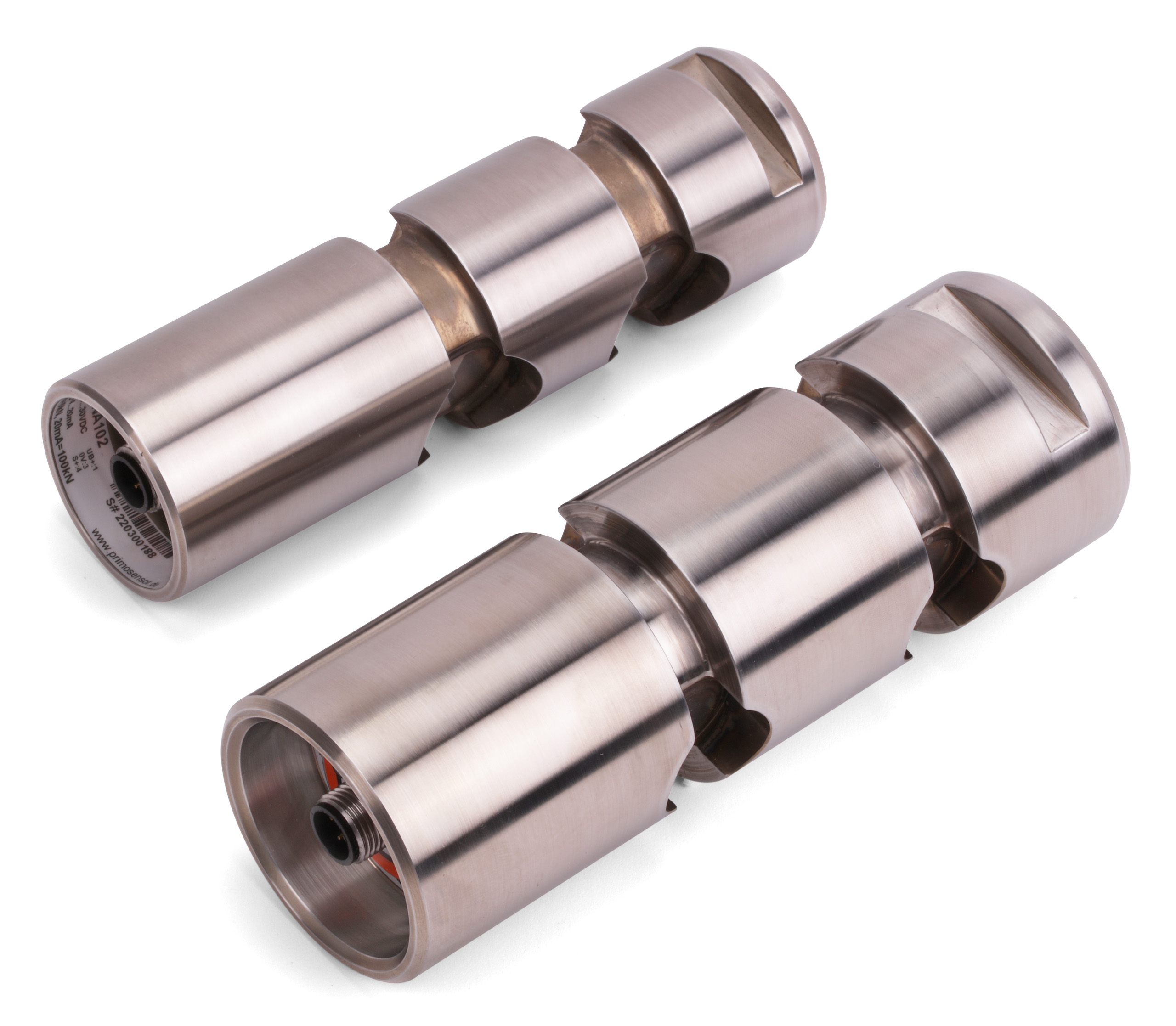
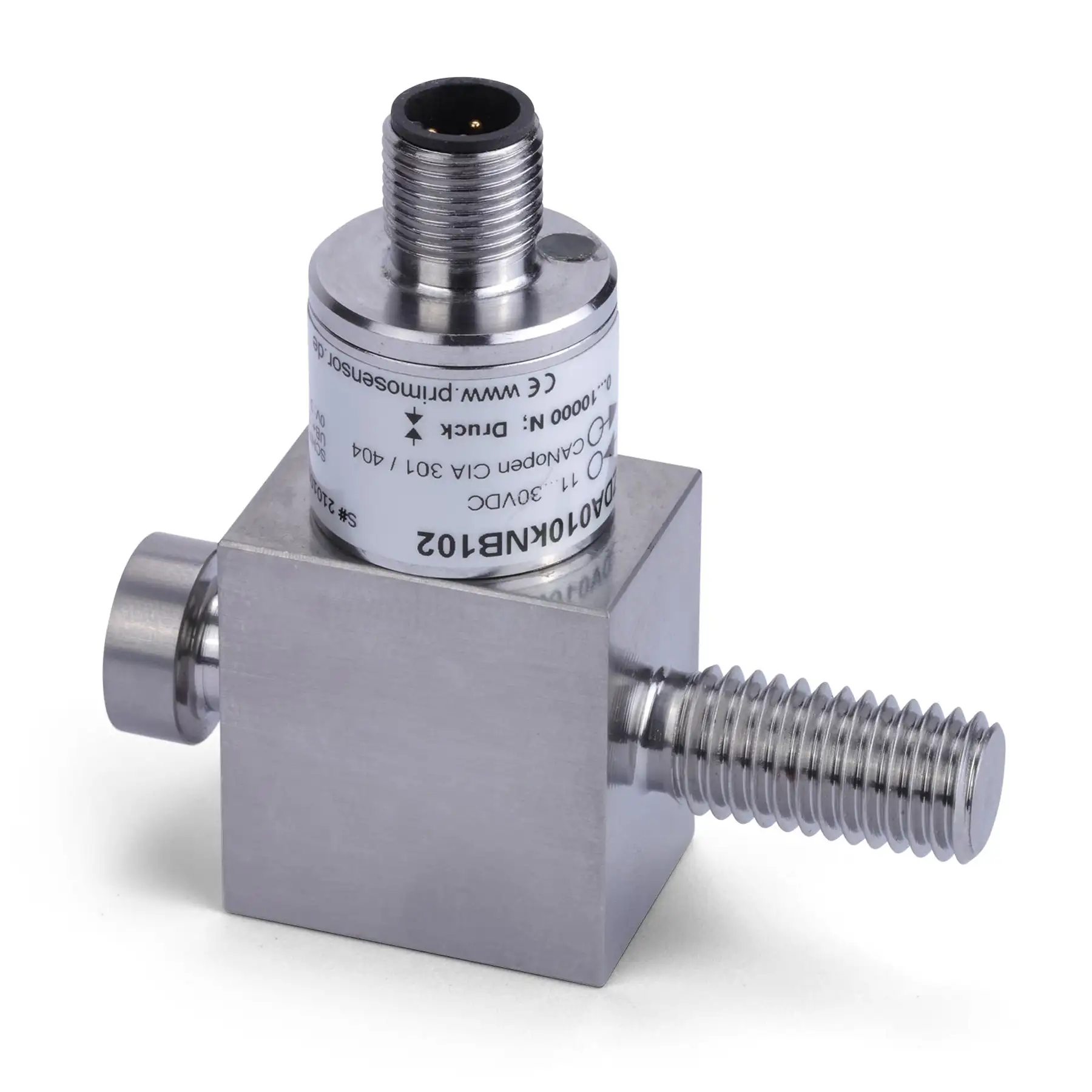
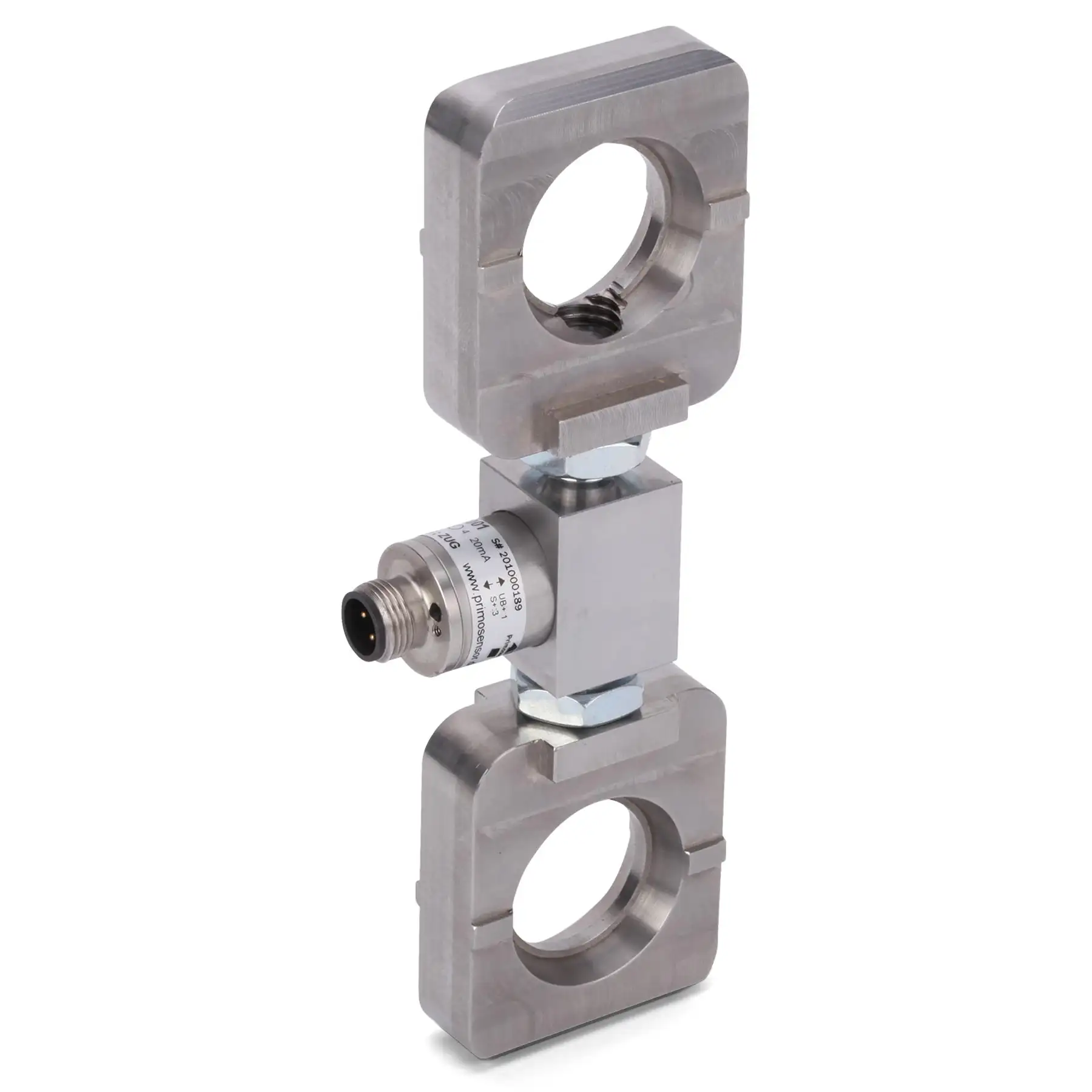
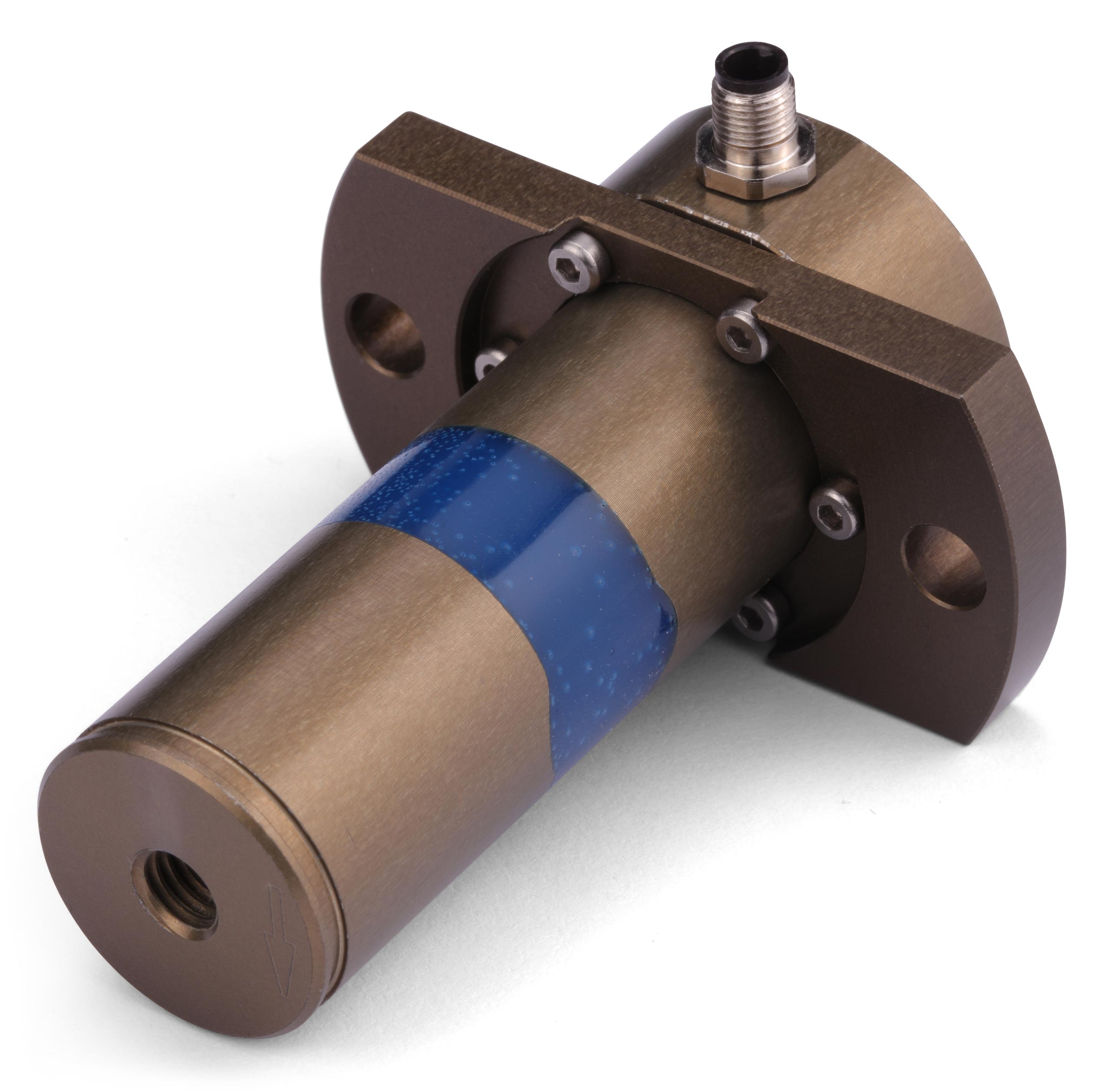
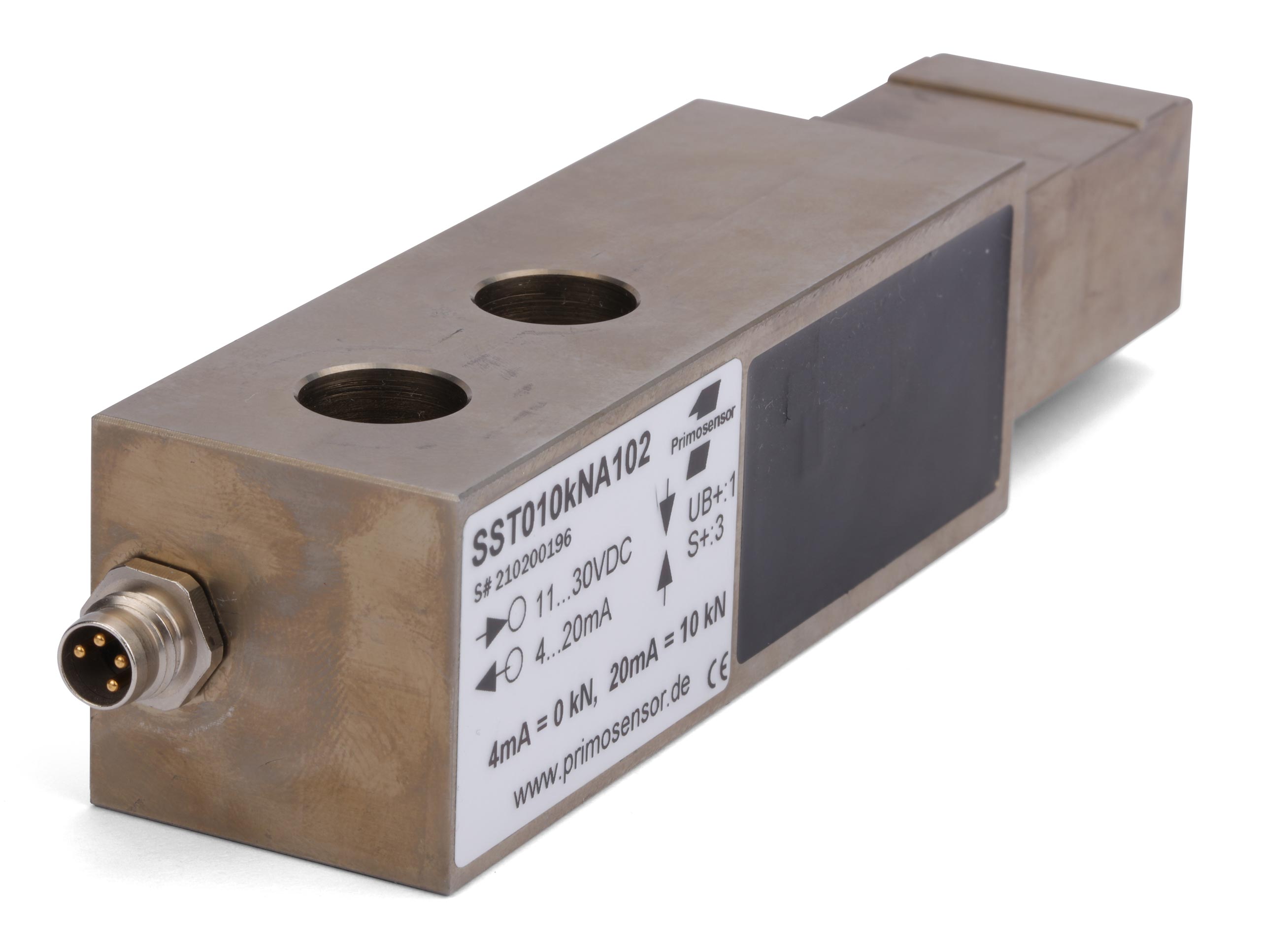
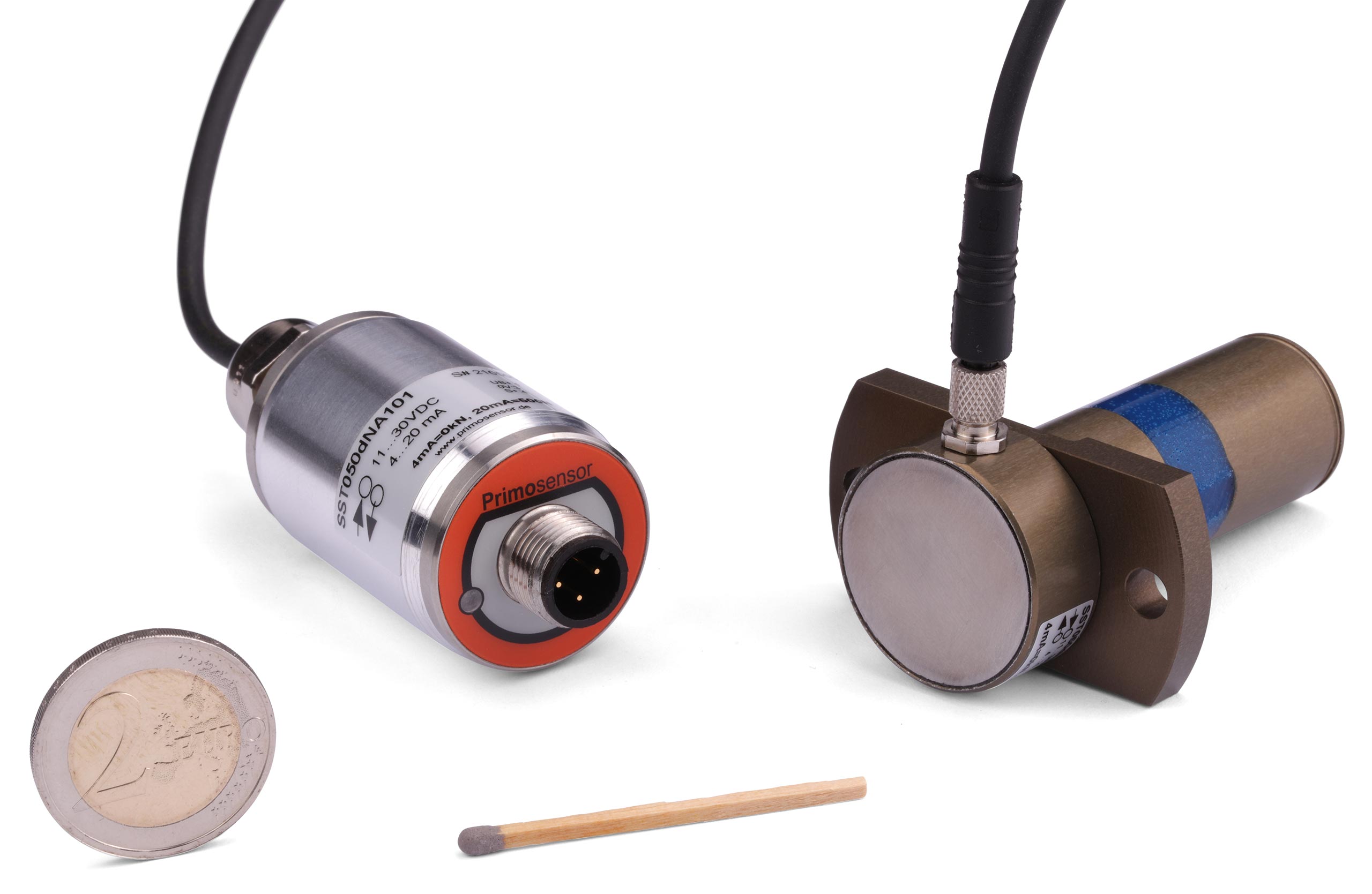
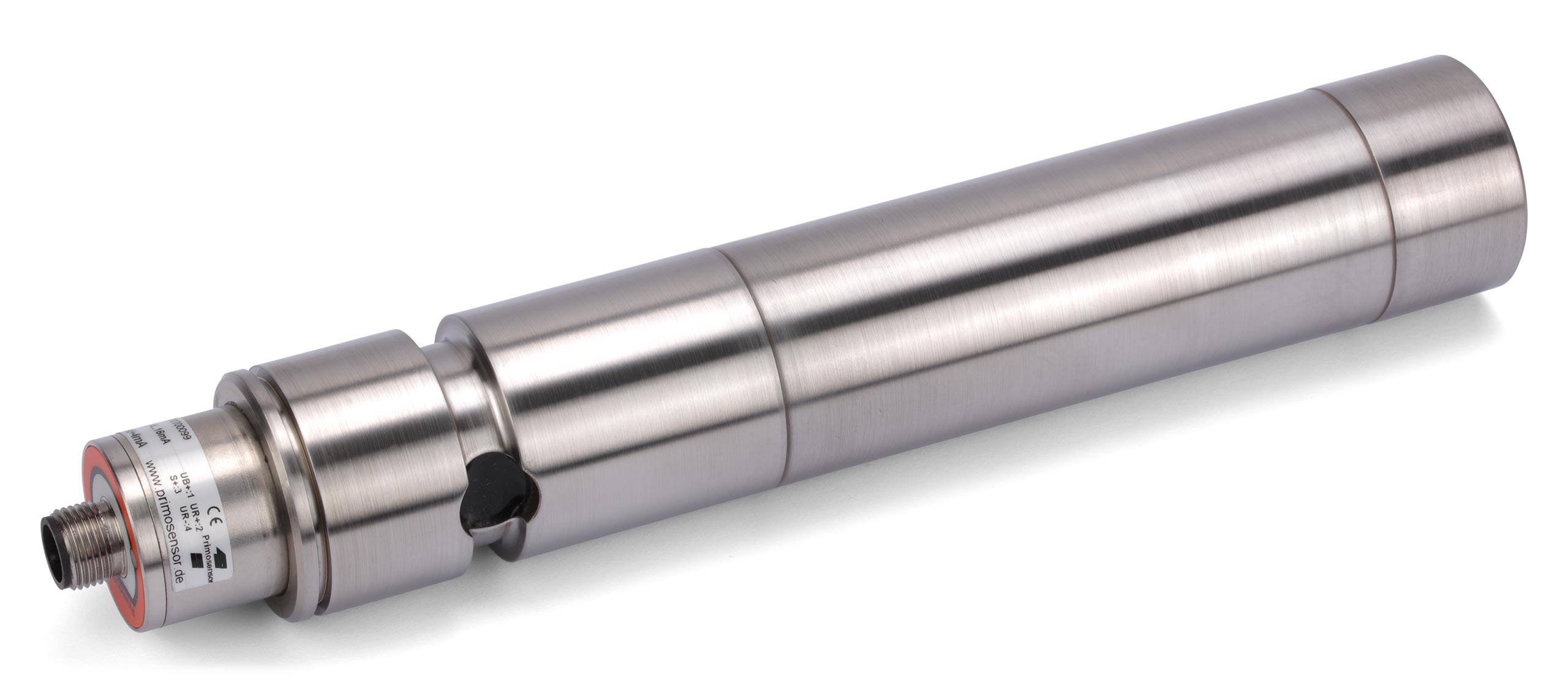
In industrial measurement technology, precision, reliability, and adaptability are crucial. Our high-quality sensors, force transducers, and load cells not only meet the highest technical standards—they can also be precisely tailored to your specific needs. This is because standard solutions often reach their limits when it comes to complex or specialized applications. That’s why we offer you more than just components.
Talk to us if your project involves load measurement or force measurement.
Your project. Your requirements. Our solution.
Whether it’s a special installation situation, extreme environmental conditions or special output signals – we develop solutions that are precisely tailored to your application. We design measuring systems accurately, implement them constructively and test them in suitable load devices. This means you are ideally equipped to professionally and reliably measure forces – and also torques – in your machines and systems. We support you from the initial idea through design to series production.
Mechanical modifications (e.g., special geometries, mountings, housing shapes)
Our workflows do not depend on certain technologies. In other words, our end products are based on strain gauges. Depending on the quantity and desired accuracy, we offer the solution with the optimal price-performance ratio. Either force transducers that are implemented with bonded strain gauges or those that are built with thick-film or thin-film sensors.
Pursuing solutions together.
Talk to us.
Response within 24 hours
Free Initial Consultation
ISO 9001:2015 Certified
Over 30 years of experience in sensor development
Your information will be kept confidential
Or call us directly: +49 (0) 6071 63467-50 Mon–Fri 8:30 a.m.–5:00 p.m.
Here's how your custom force transducer is made
From the initial idea to mass production—structured, transparent, and efficient.
At Primosensor, we develop custom force transducers and sensor solutions tailored precisely to your requirements. From one-off prototypes to mass production—we support you every step of the way, from the initial idea to delivery. Our proven development process ensures maximum precision, short development times, and reliable results.
Inquiries & Consultations
Design & Engineering
Prototype & Testing
Mass production
1. Inquiry & Consultation
You describe your requirements—we listen carefully. Whether it’s a unique installation situation, specific measurement ranges, or demanding environmental conditions: We analyze the feasibility and advise you on the optimal technical solutions. Even at this early stage, you benefit from our many years of experience in developing custom force transducers.
2. Design & Construction
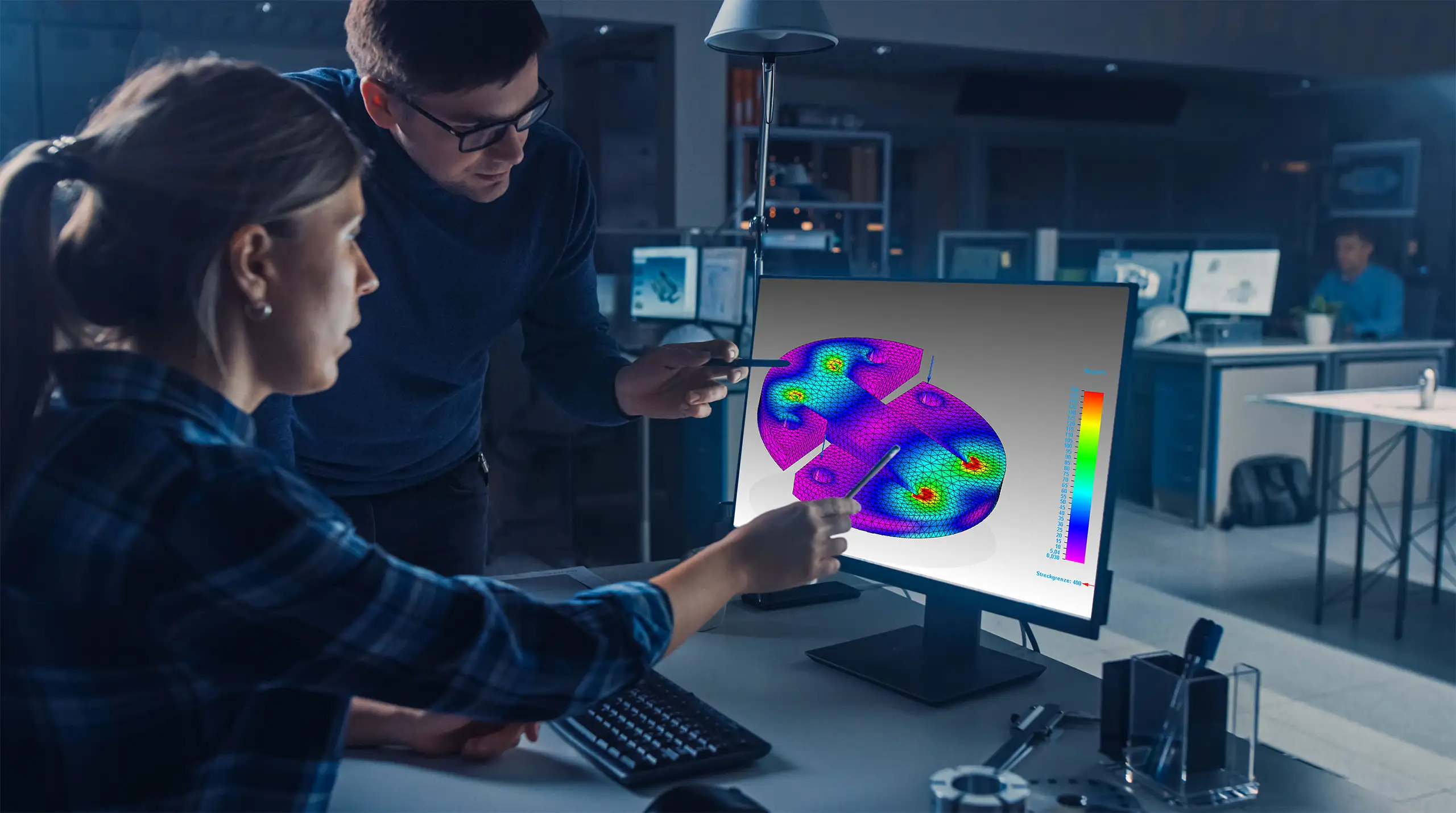
Based on your requirements, our team develops the optimal sensor solution. We define the measurement range, design, material selection, and interfaces. State-of-the-art design and simulation methods ensure that your custom force transducer is designed to be precise, robust, and durable.
3. Prototype & Testing
In the next step, we will manufacture a prototype of your force transducer. This prototype will be tested under realistic conditions using our load testing equipment. This ensures that the measurement accuracy, stability, and service life meet your requirements.
4. Serial Delivery
Once you give your approval, we will begin mass production. You will receive your custom force transducers reliably, with consistently high quality, and on time—tailored to your needs.
For OEM customers, we reliably manufacture custom force transducers in series production—tailored to your production volumes and delivery schedules.
Your benefit: A clearly structured development process, personalized support, and sensor solutions that are precisely tailored to your application.
Special solutions, developed and realized for our customers
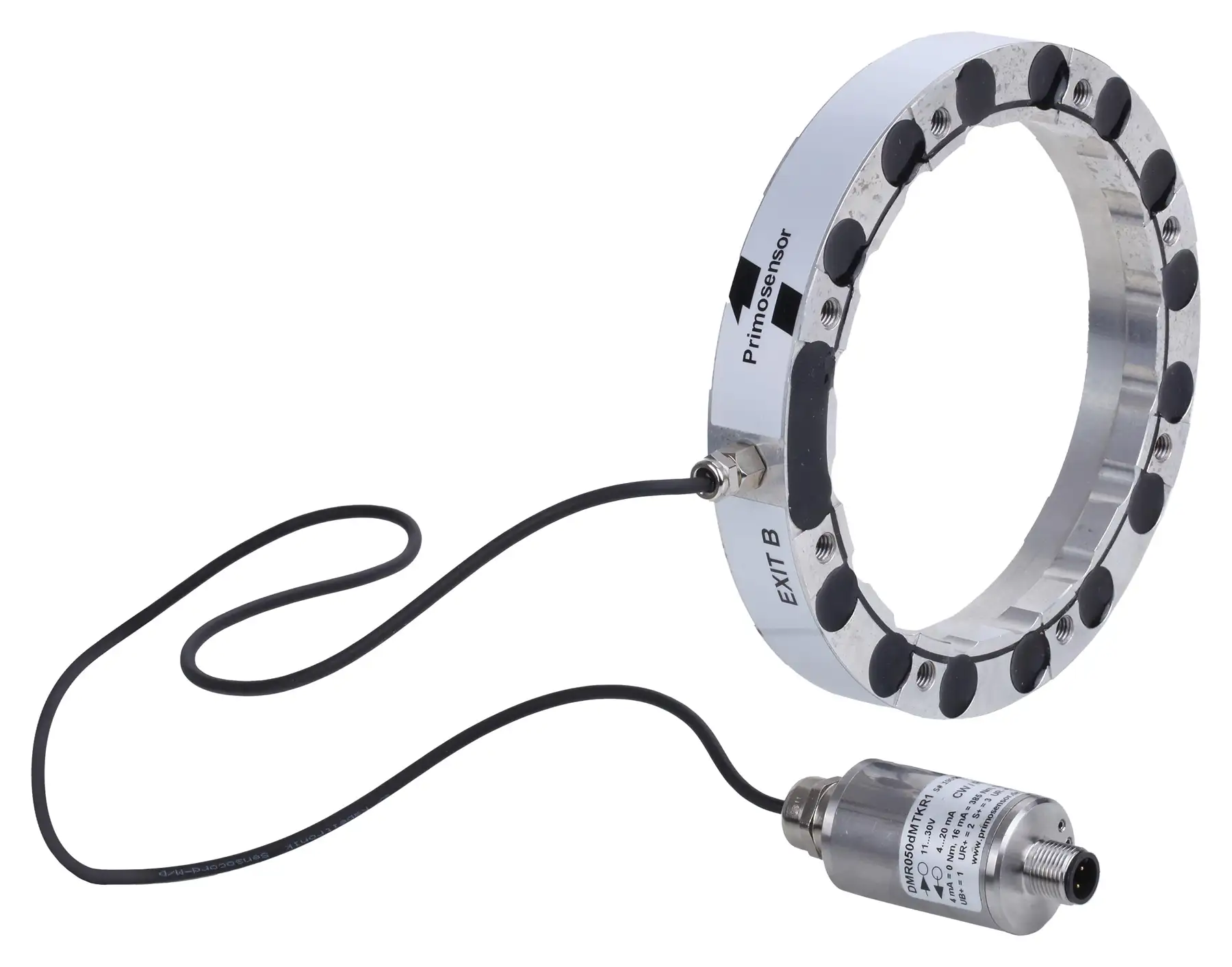
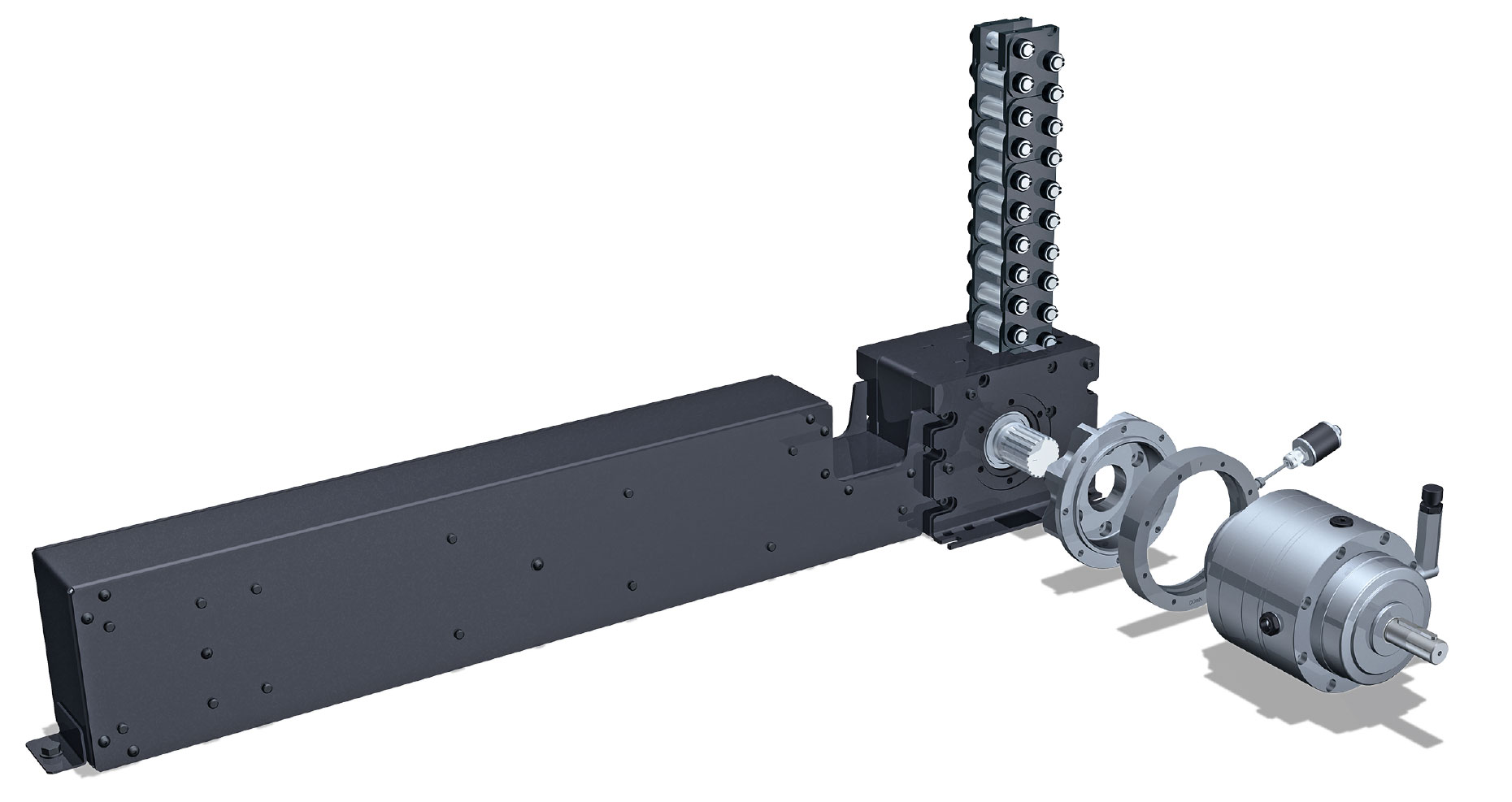
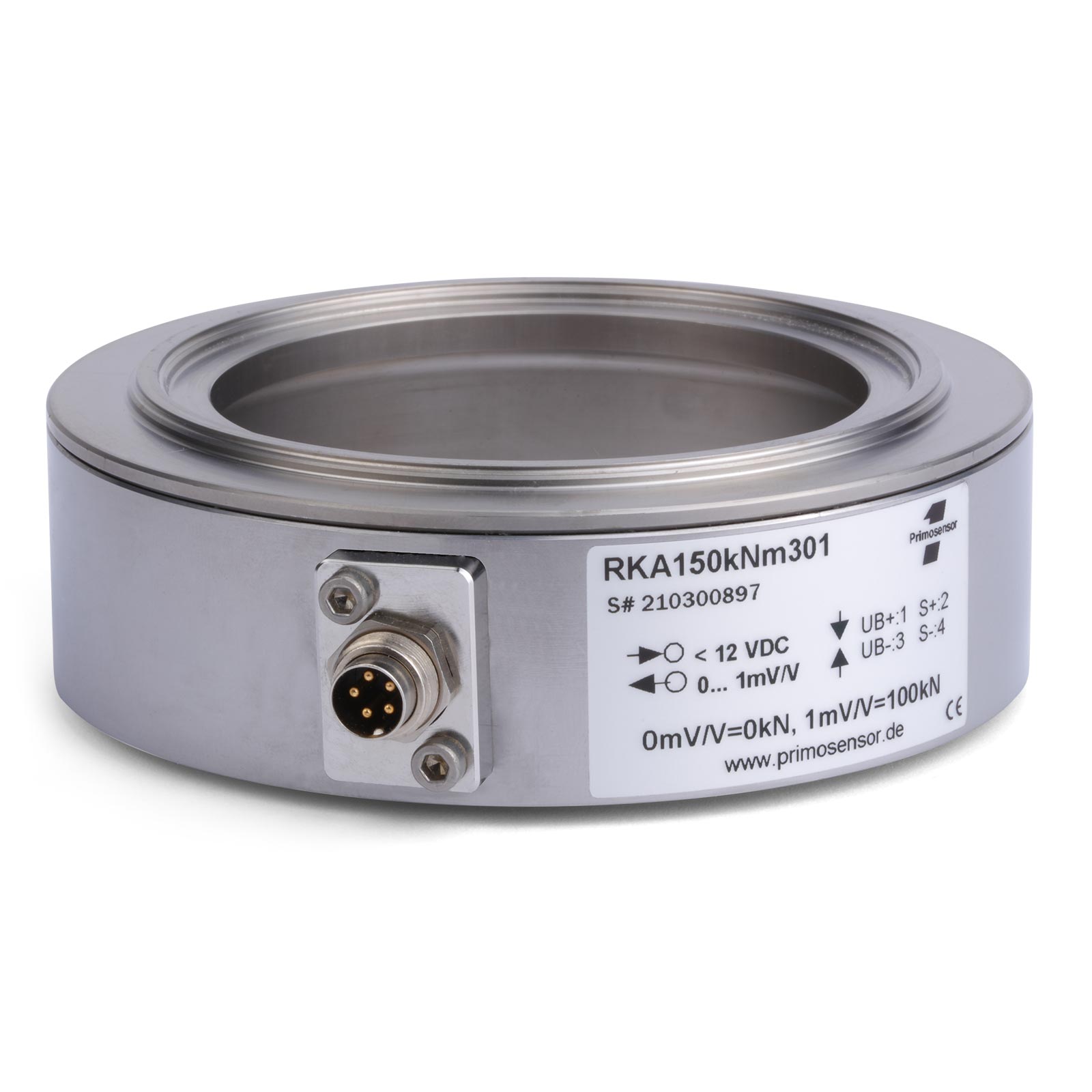
Torque Measurement Ring for Stages – Custom Solution for Stage Technology
To create an exceptionally low-profile event stage with overload detection, our long-standing customer Serapid needed a force sensor with a maximum height of 10 mm on the push chain. However, such a low profile is not possible or feasible given the loads to be measured. But we found a solution even for that! We designed a torque measuring ring that is mounted between the gearbox and the chassis to measure the reaction torque.
Custom Sensor for Medical Technology – Blood Pressure Monitor
Sensors are required for a non-invasive, highly accurate, professional blood pressure monitor. The device, placed on the wrist, should measure blood pressure in the veins. Since their position varies slightly from person to person, we developed a comb-shaped sensor structure that ensures that in every case a “prong” generates a usable signal. The sensor was implemented using thin-film technology.
Custom Force Sensor Solution – Grip Ring for Electric Wheelchairs (Medical Technology)
Anyone converting a wheelchair into an electric wheelchair needs a force sensor for control in addition to the electric drive. Our solution consists of cubes that can be mounted between the gripping ring and the wheel rim using simple mounting parts. They are very sensitive in the direction of movement, but rather robust in all other directions, for example to withstand the supporting forces of heavy people without damage.
Yarn Tension Sensor – Custom Design for the Textile Industry
A cost-effective sensor was sought to measure the thread tension on weaving machines. In our innovative sensor concept, all metallic sensor components are cut from sheet metal using a laser and then layered and connected to form the sensor structure. The deformation of a component under load is evaluated using the Hall effect and then converted into 0…10 V.
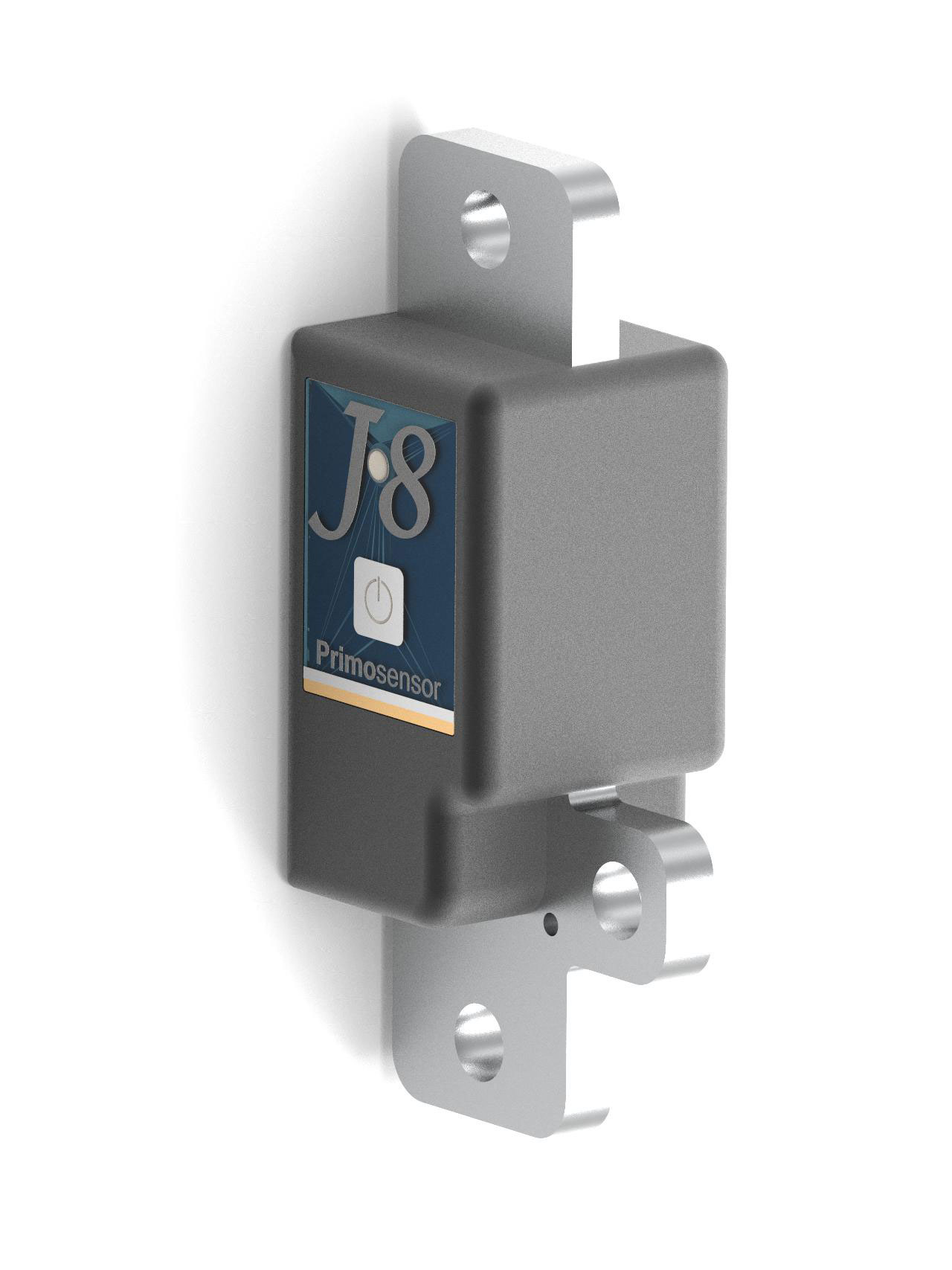
Wireless Force Sensor – Custom Solution for Marine Technology
Measure the forces in the forestay or on the loaded sheets and thus trim the sails optimally. Not just once, but constantly, to keep the ship optimally upwind.
The wireless, battery-powered sensor sits in the forestay and sends its data to the on-board computer, which evaluates and displays it. The helmsman reads the power on the forestay on the display and, with a little feel, brings the boat perfectly into the wind.
Press-Fit Sensor – Custom Solution for Rail Technology
There are applications where, in order to perform a necessary measurement, an existing component cannot simply be replaced by a measuring component – a sensor. However, with the help of press-fit sensors, existing components can be “converted” into sensors.
We implement this in a system for recording the axle load of freight wagons: the existing rails are drilled through at a certain distance and fitted with press-in sensors.
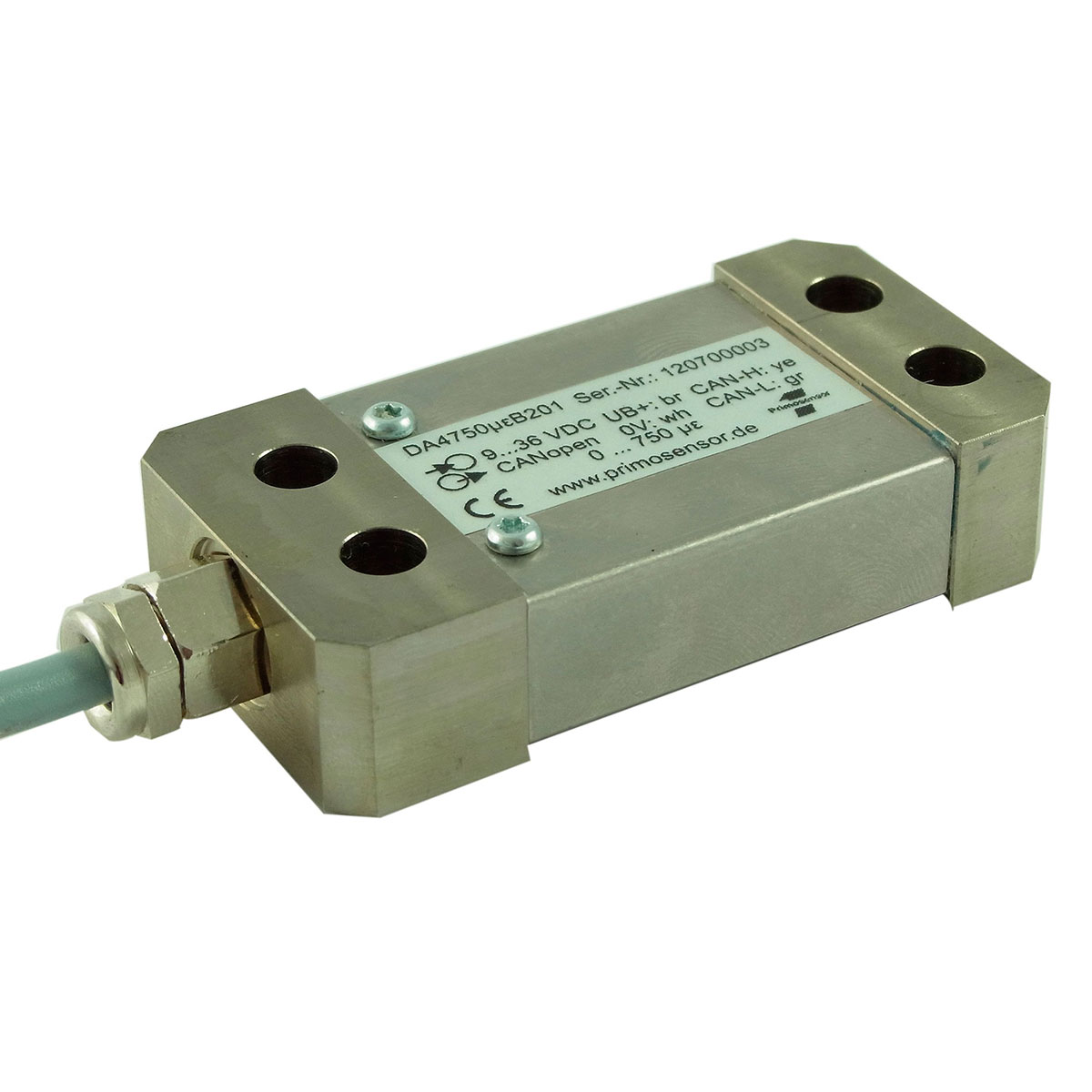
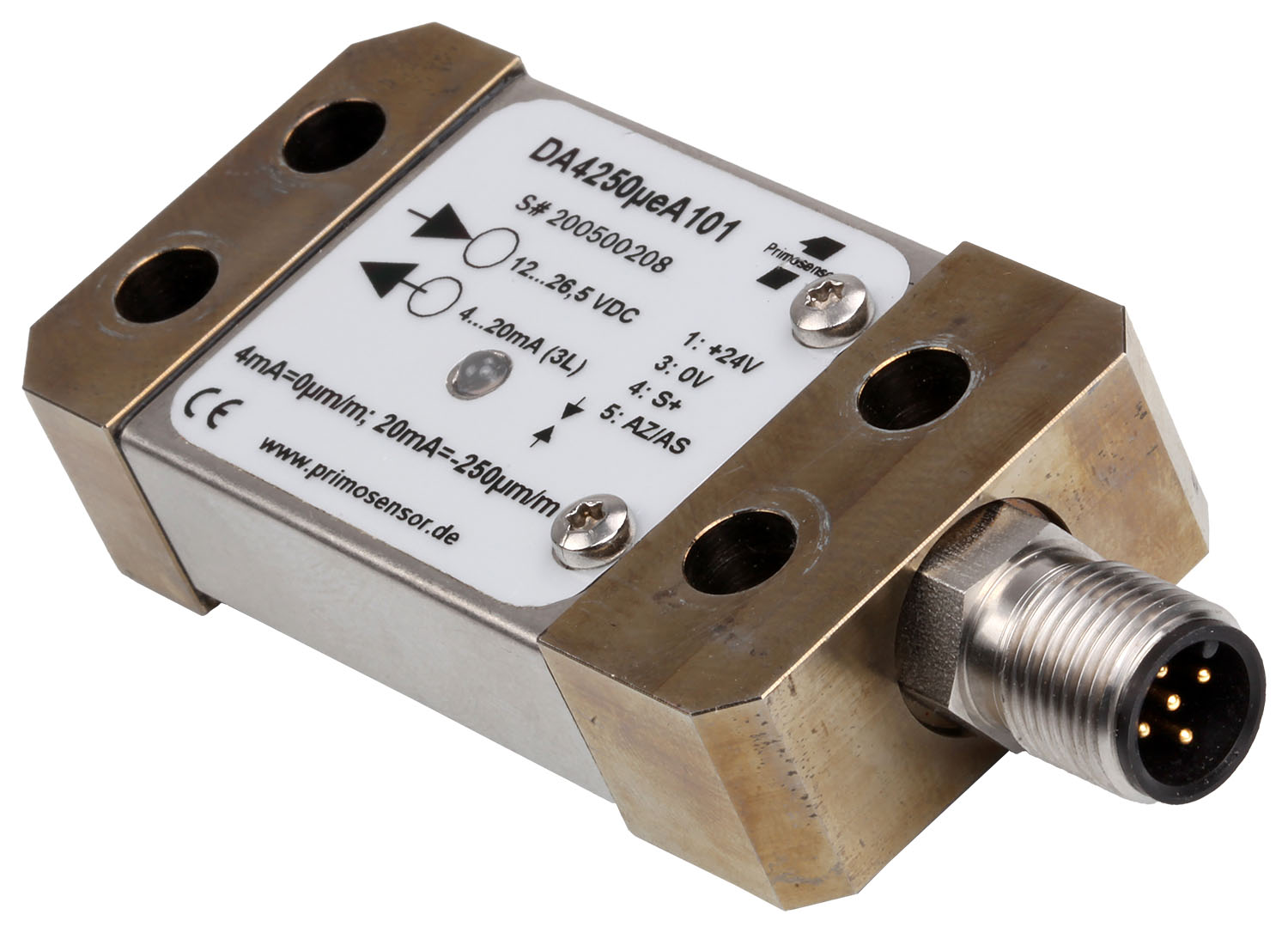
Strain gauges are screwed onto existing machine components to detect the strains on the surface and thus the load on the component. They have proven their worth in applications including the equipping of forming presses, stamping and embossing machines, and welding equipment.
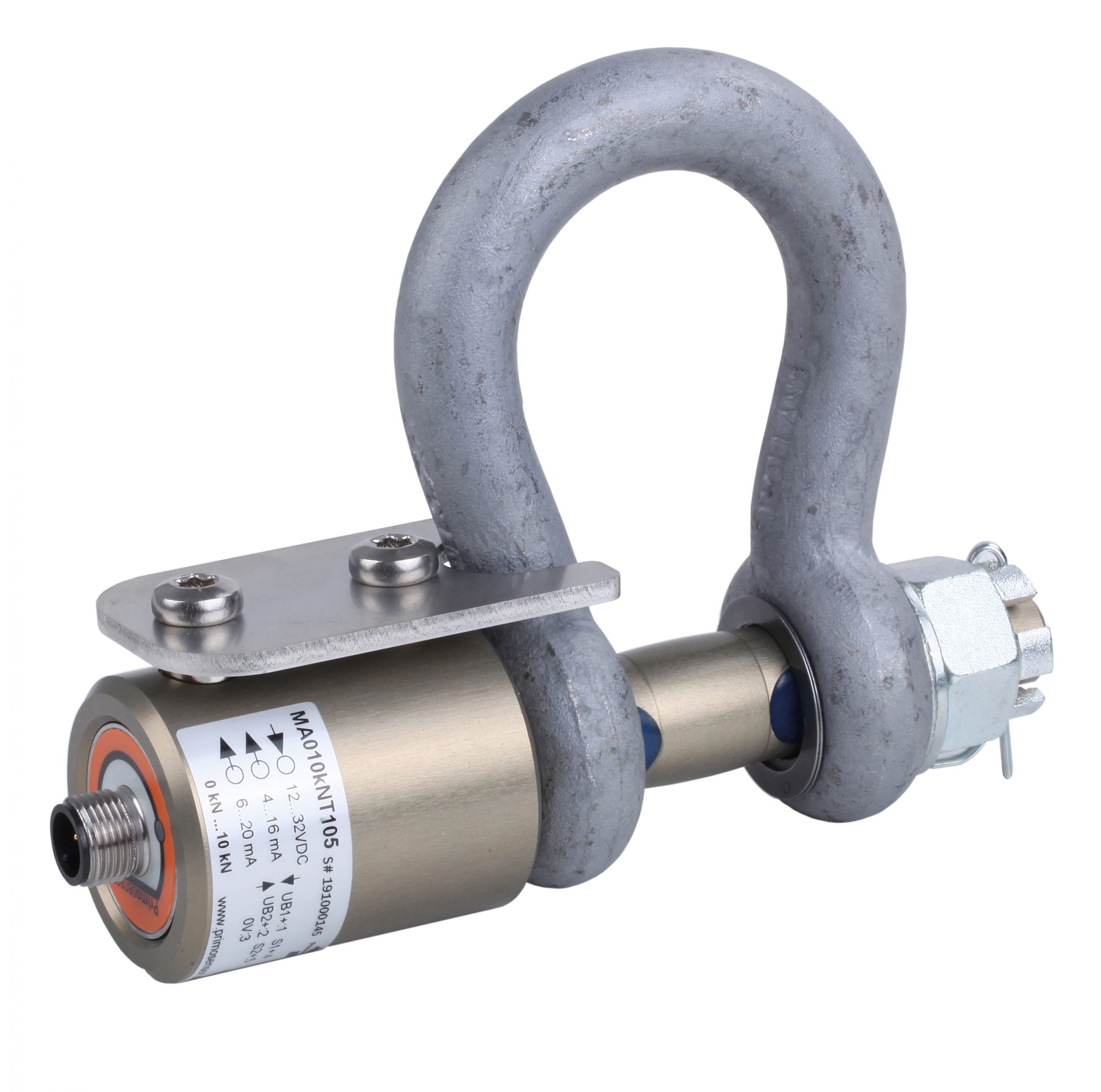
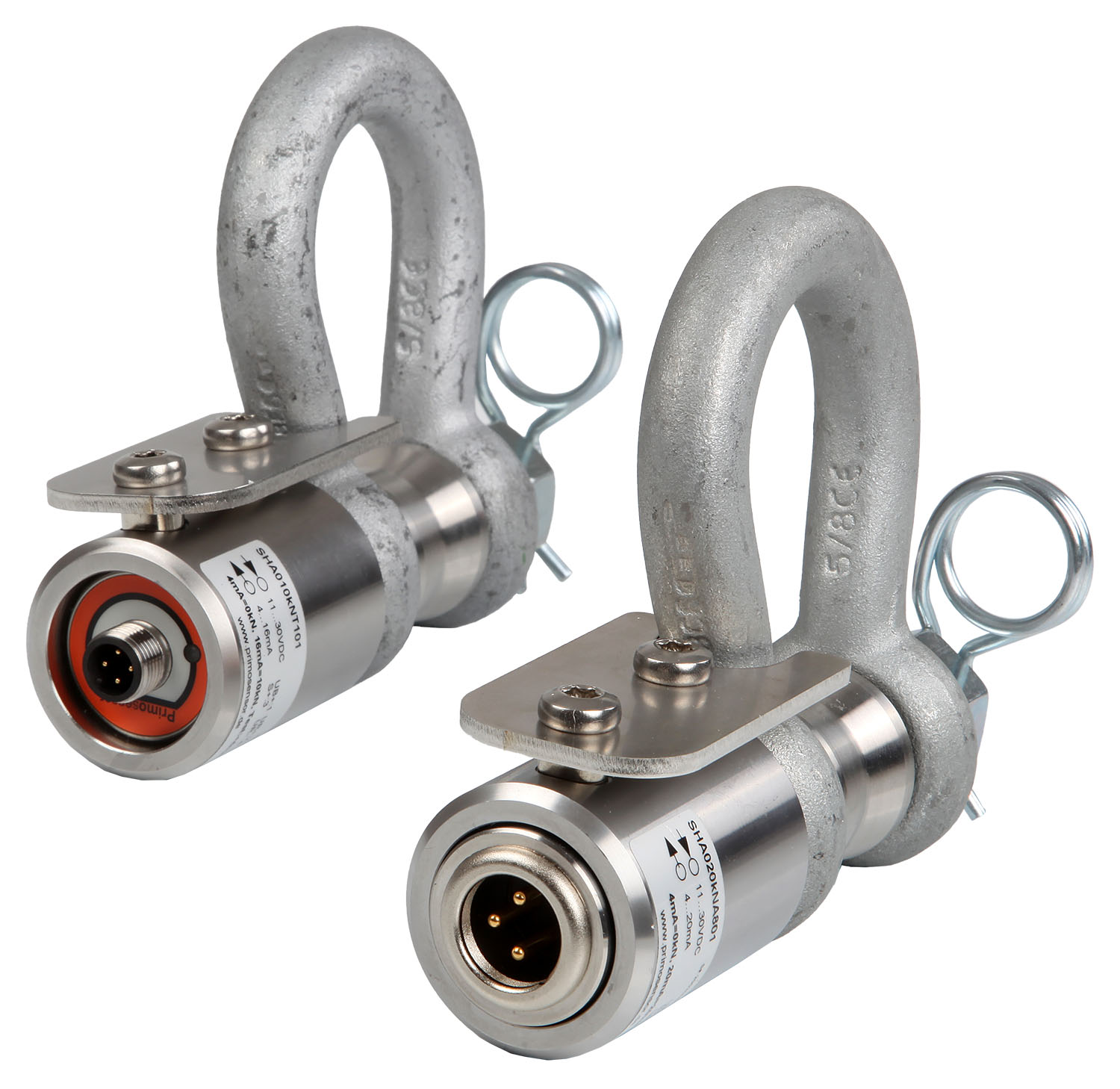
Lifting equipment such as eyelets, chains, hooks, shackles and much more are used to secure and fasten lights, speakers, screens and other items in production and event operations. To measure the load on ceiling, beam or truss structures, the use of measuring shackles is often the method of choice.
Die Präzision bewährter DMS-Kraftmesstechnik trifft ab sofort auf modernste, drahtlose Telemetrie und IoT-Intelligenz. Erleben Sie die Zukunft der industriellen Messdatenerfassung.